
On Freud and Shakespeare: How the Oedipal Complex Relates to the Interpretation of Literature

Updated: Mar 8, 2023
If I could treat any two historical figures to a brunch and tea, they would likely be William Shakespeare and Sigmund Freud—both prominent their own right (although admittedly controversial), with similar ideas interwoven throughout their works. However, perhaps the most significant intersection presents itself in Shakespeare's 1609 play, The Tragedy of Hamlet, with its recurring allusions to the Oedipal Complex. Freud is believed to have coined this term from the ancient Greek play, Oedipus Rex, which describes an all-too-familiar tale in which Oedipus murders his father and marries his mother, initially unaware of their familial ties. The Oedipus complex (and Carl Jung's subsequent Electra complex) are a nod to Freud's previous work regarding the psychosexual stages (most specifically the phallic stage), and according to Thomas C. Foster, author of the novel, How To Read Literature Like A Professor, is "one of the great moments in the history of human thought, with as much literary as psychoanalytical significance.” According to Foster, the way in which Freud analyzed his patients was largely reflective of the manner literary scholars interpret texts: holistic yet focused, imaginative yet grounded in reason.
A firm believer that literature is one of the most telling windows to the human condition, Foster's novel presented me with yet another reason why it is so important that we don't study literature without acknowledging its psychological foundation, and vice versa—though many Freudian and Shakespearian ideals are outdated in the present day, the two subject matters are inarguably intertwined, painting an ever-expanding 'big picture' which helps us to understand humanity as a whole.
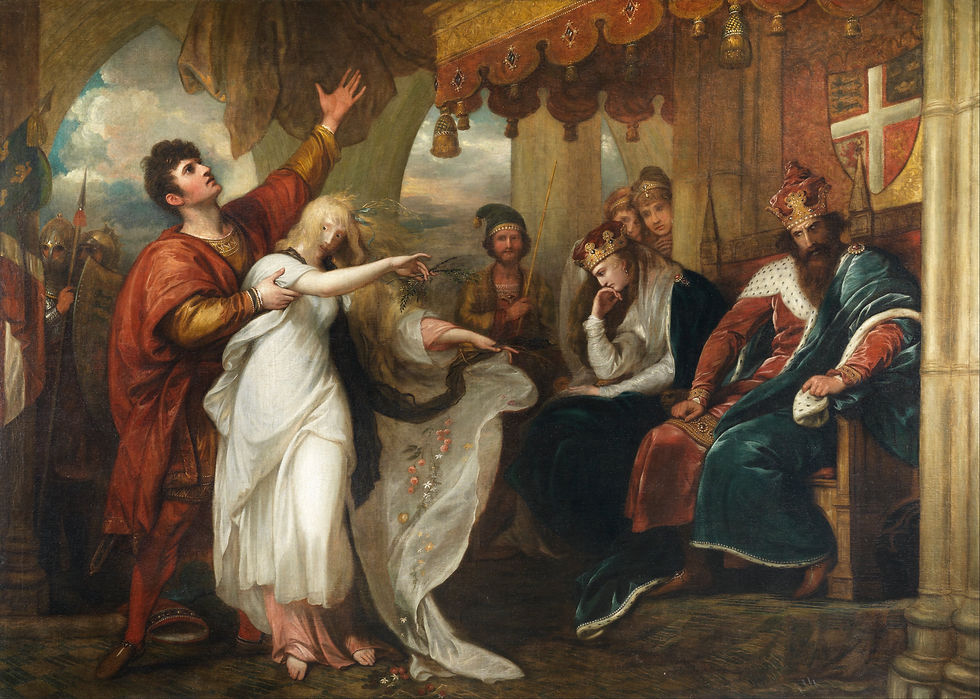
Image Credit: Google


Comments